Statistical process control spc is a topic more manufacturers are researching as they look to modernize operations, and this guide breaks down exactly what it involves and how to approach it in practice.
Statistical Process Control, usually shortened to SPC, is a quality method that uses real production data to tell whether a manufacturing process is running normally or starting to drift out of control. Instead of waiting for a finished part to fail inspection, SPC looks at measurements taken during production and flags patterns that suggest a machine or process is heading toward a defect, often before a single bad part is actually made.
How SPC Actually Works
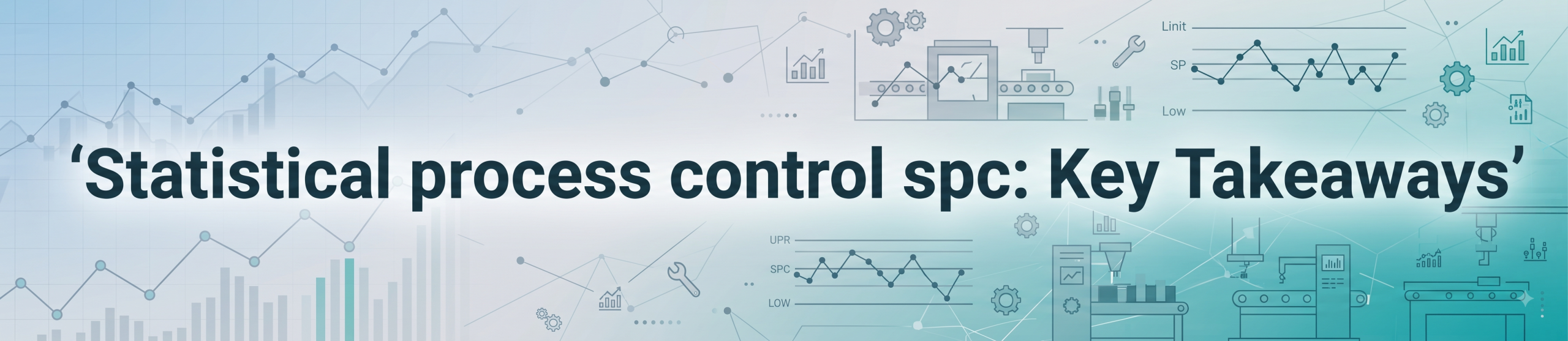
At its core, SPC plots measurements, such as a part dimension or a pressure reading, on a control chart with upper and lower limits. As long as the data points stay within those limits and show no unusual pattern, the process is considered stable. When a value drifts close to a limit, or several points in a row trend in the same direction, that is a signal for an operator to check the machine before it produces scrap.
Why Manual SPC Falls Short
Many plants still run SPC on paper or in disconnected spreadsheets, with operators manually recording measurements every hour. This works, but it depends entirely on operators remembering to log data on time, and any pattern that develops between recordings is invisible until the next check. By the time a trend shows up in a manual log, several parts may have already gone out of specification.
What Online SPC Monitoring Adds
Online SPC monitoring connects measurement devices, gauges, or manual entry points directly into a digital system that plots control charts automatically and alerts supervisors the moment a value drifts out of range. This does a few things a paper system cannot:
- Flags out-of-control conditions in real time instead of at the next manual check
- Keeps a complete, searchable history of every measurement for audits and root-cause analysis
- Removes the risk of operators forgetting to record data or entering it incorrectly
- Makes it easy to compare quality trends across shifts, machines, or product lines
Where SPC Fits in a Digital Factory
SPC monitoring rarely works in isolation. In a connected digital factory setup, an SPC alert can automatically trigger a digital checksheet for the operator to complete, or flag the affected batch in inventory tracking so it does not move forward until it is reviewed. This is where the real value of statistical process control shows up: not just catching a drifting process, but connecting that catch to the rest of the plant’s quality and production workflow.
Statistical Process Control Spc: Key Takeaways
Getting statistical process control spc right is less about chasing the latest trend and more about building a habit of measuring before you change anything. Teams that succeed usually start with a single, well-defined process, track it consistently, and only then expand what they’ve learned to the rest of the plant. That disciplined, incremental approach to statistical process control spc tends to outperform a single big-bang rollout, because each step is validated with real data before the next one begins.
If you’re evaluating statistical process control spc for your own operation, it helps to talk with a team that has actually implemented it elsewhere, not just read about it. LeMeniz Infotech has supported manufacturers and engineering students with practical, hands-on guidance since 2011, and we’re happy to walk through real examples of statistical process control spc in practice before you commit to anything.
For broader context on manufacturing modernization standards, see the NIST manufacturing resource center. To see how statistical process control spc fits into a complete digital factory rollout, explore our Digital Factory suite from LeMeniz Infotech.
Teams rolling out statistical process control spc for the first time often underestimate how much of the early value comes from simply having consistent, accurate data to look at, rather than from any single advanced feature. Getting the basics right and building the habit of reviewing that data regularly tends to matter more in the first few months than choosing the most sophisticated available option.