Supplier relationship management manufacturing is a topic more manufacturers are researching as they look to modernize operations, and this guide breaks down exactly what it involves and how to approach it in practice.
Manufacturers depend heavily on their suppliers for raw materials and components, yet supplier performance is often tracked informally, based on the general impression of a purchasing manager rather than actual delivery and quality data. This gap becomes costly when a supplier’s reliability quietly deteriorates over time without anyone noticing until a serious problem occurs.
What Gets Missed Without Structured Tracking
Without a system tracking supplier performance data, common warning signs go unnoticed: a supplier’s on-time delivery rate slowly declining over several months, an increase in incoming material rejections from a specific supplier, or inconsistent lead times that make production planning unreliable. Each of these, caught early, is manageable. Left unnoticed, they compound into major supply disruptions.
Core Metrics Worth Tracking
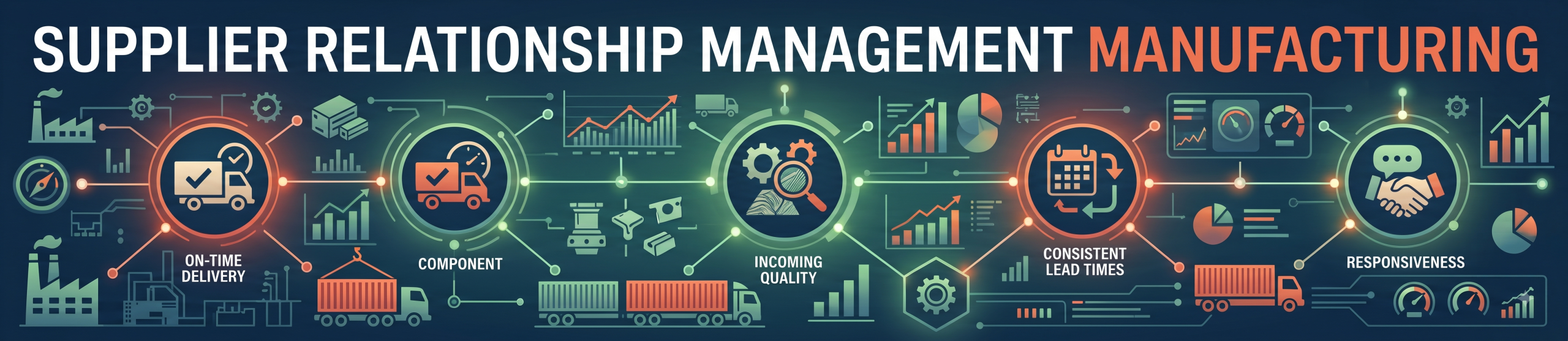
- On-time delivery rate, comparing promised versus actual delivery dates
- Incoming quality rejection rate, tracking defects found in received materials
- Lead time consistency, since unpredictable lead times are often more disruptive than simply long ones
- Responsiveness to issues, tracking how quickly a supplier resolves a reported problem
Using Supplier Data for Better Decisions
When supplier performance data is tracked systematically rather than anecdotally, purchasing decisions become more objective. Instead of relying on a general sense that a supplier is reliable, a manufacturer can point to specific delivery and quality metrics when negotiating terms, evaluating alternative suppliers, or deciding where to diversify sourcing to reduce risk.
Connecting Supplier Data to Production Planning
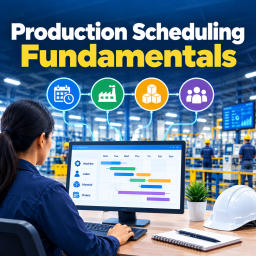
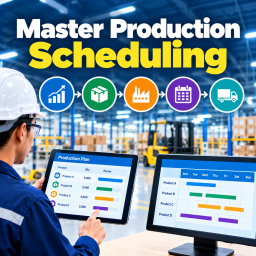
Supplier reliability data becomes especially valuable when connected to production scheduling. If a critical material typically arrives with variable lead time from a specific supplier, production planners can build in appropriate safety stock or schedule buffer specifically around that risk, rather than treating all suppliers as equally predictable.
Building the Habit
Manufacturers do not need a complex system to start. Even a simple structured log of delivery dates and quality outcomes per supplier, reviewed quarterly, surfaces patterns that informal tracking misses entirely. As the practice matures, this data becomes one of the most valuable tools in supplier negotiations and risk management.
Supplier Relationship Management Manufacturing: Key Takeaways
Getting supplier relationship management manufacturing right is less about chasing the latest trend and more about building a habit of measuring before you change anything. Teams that succeed usually start with a single, well-defined process, track it consistently, and only then expand what they’ve learned to the rest of the plant. That disciplined, incremental approach to supplier relationship management manufacturing tends to outperform a single big-bang rollout, because each step is validated with real data before the next one begins.
If you’re evaluating supplier relationship management manufacturing for your own operation, it helps to talk with a team that has actually implemented it elsewhere, not just read about it. LeMeniz Infotech has supported manufacturers and engineering students with practical, hands-on guidance since 2011, and we’re happy to walk through real examples of supplier relationship management manufacturing in practice before you commit to anything.
To see how supplier relationship management manufacturing fits into a complete digital factory rollout, explore our Digital Factory suite from LeMeniz Infotech.
Teams rolling out supplier relationship management manufacturing for the first time often underestimate how much of the early value comes from simply having consistent, accurate data to look at, rather than from any single advanced feature. Getting the basics right and building the habit of reviewing that data regularly tends to matter more in the first few months than choosing the most sophisticated available option.