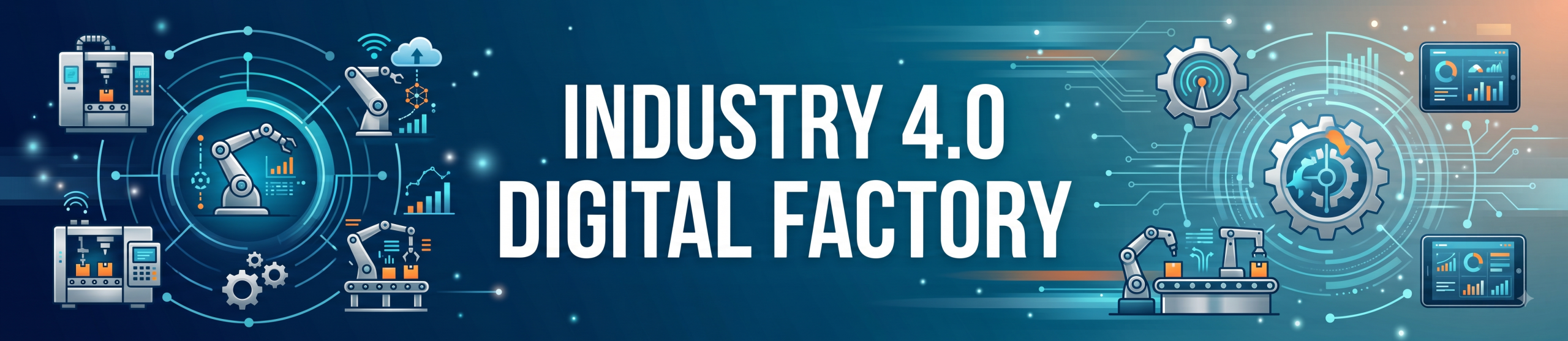
Industry 4 0 digital factory is a topic more manufacturers are researching as they look to modernize operations, and this guide breaks down exactly what it involves and how to approach it in practice.
Industry 4.0 is the term used for the fourth wave of industrial change, where factories move from isolated machines and paper records to a connected system where equipment, software, and people share data in real time. At the center of this shift is the idea of a digital factory: a single platform that pulls together production, quality, safety, and maintenance information so managers can see what is actually happening on the shop floor, not just what a weekly report says happened.
Why Factories Are Moving Away from Paper
Most small and mid-sized manufacturing plants still run large parts of their operation on paper checksheets, whiteboards, and spreadsheets that get updated once a shift. This creates a lag between when a problem happens on the line and when a supervisor finds out about it. A digital factory system closes that gap by capturing data directly from operators, machines, and sensors as events happen, so issues in quality, safety, or machine downtime get flagged immediately instead of during a weekly review meeting.
The Core Building Blocks of a Digital Factory
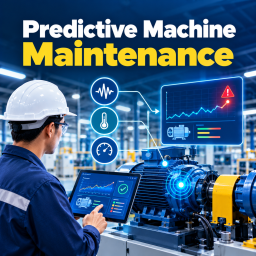
A typical digital factory platform is not one single tool but a set of connected modules, each covering a specific part of plant operations:
- Production and machine monitoring, tracking output, downtime, and efficiency
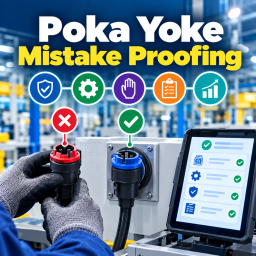
- Quality tools such as SPC monitoring and digital checksheets
- Safety and compliance modules, including work permits and lockout-tagout tracking
- Inventory, consumables, and warehouse management
- Workforce tools like skill matrices and shift roster management
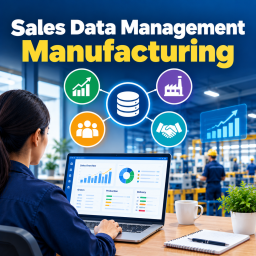
When these modules share one database instead of living in separate spreadsheets, a plant manager can trace a quality issue back to a specific machine, shift, or raw material batch in minutes rather than days.
What This Means for Small and Mid-Sized Manufacturers
Industry 4.0 is often described using large enterprise examples, but the same principles apply at smaller scale. A plant with fifty machines gains just as much value from real-time visibility as a plant with five hundred, and the cost of getting started has come down significantly as cloud-based digital factory platforms have matured. The goal is not to replace people on the floor but to give supervisors and operators better information faster, so decisions that used to wait for a shift-end meeting can happen the moment they are needed.
Getting Started
Manufacturers looking to begin their digital factory journey usually start with one or two high-impact modules, such as machine monitoring or digital checksheets, before expanding into the full suite. This phased approach lets teams get comfortable with digital workflows without disrupting production, while still building toward a fully connected plant over time.
Industry 4 0 Digital Factory: Key Takeaways
Getting industry 4 0 digital factory right is less about chasing the latest trend and more about building a habit of measuring before you change anything. Teams that succeed usually start with a single, well-defined process, track it consistently, and only then expand what they’ve learned to the rest of the plant. That disciplined, incremental approach to industry 4 0 digital factory tends to outperform a single big-bang rollout, because each step is validated with real data before the next one begins.
If you’re evaluating industry 4 0 digital factory for your own operation, it helps to talk with a team that has actually implemented it elsewhere, not just read about it. LeMeniz Infotech has supported manufacturers and engineering students with practical, hands-on guidance since 2011, and we’re happy to walk through real examples of industry 4 0 digital factory in practice before you commit to anything.
For broader context on manufacturing modernization standards, see the NIST manufacturing resource center. To see how industry 4 0 digital factory fits into a complete digital factory rollout, explore our Digital Factory suite from LeMeniz Infotech.
Teams rolling out industry 4 0 digital factory for the first time often underestimate how much of the early value comes from simply having consistent, accurate data to look at, rather than from any single advanced feature. Getting the basics right and building the habit of reviewing that data regularly tends to matter more in the first few months than choosing the most sophisticated available option.